This is a single article built from my 25 short Turkish notes from June 2020.
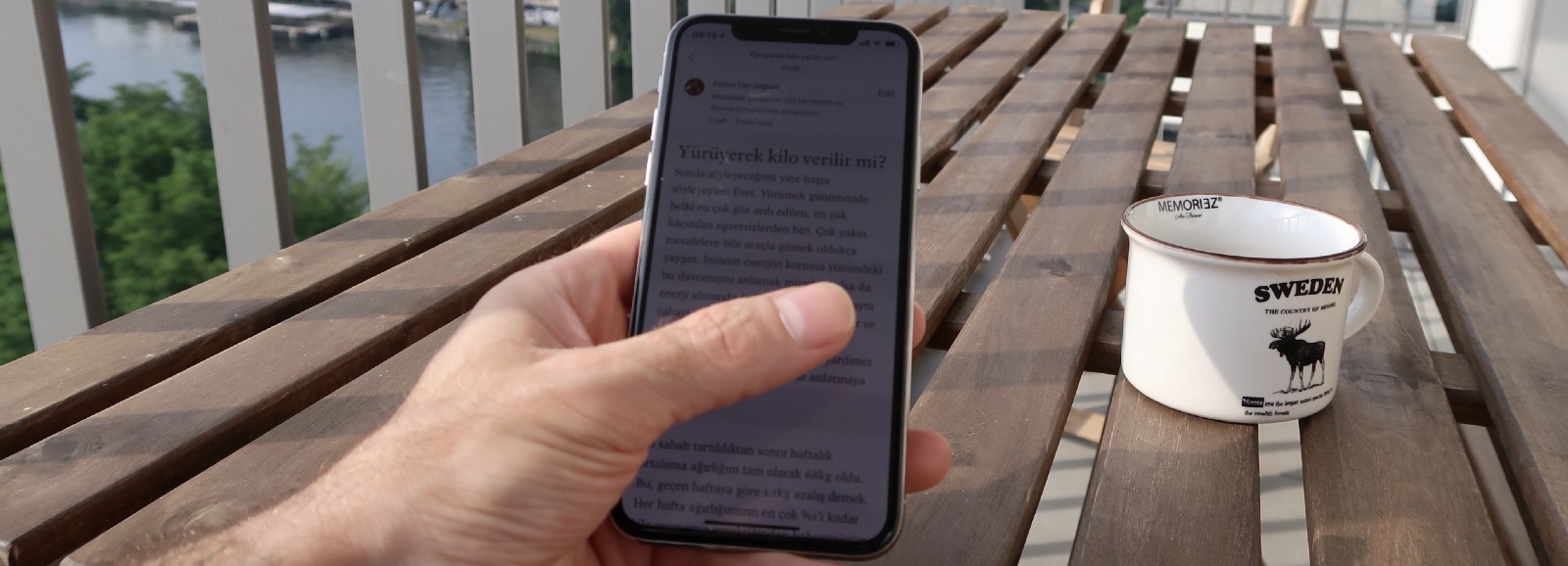
I wrote those notes in Berlin during the early COVID months and lockdown period. Every morning, I made coffee, sat on the balcony, and wrote one practical note about fat loss, training, and desk-worker health.
Here is the full series in English, with each original note turned into its own section.
What Is Quality Nutrition?
You have probably heard “eat clean” many times. But what does it really mean? Is a food “good” because it does not make you gain weight? Are all “bad” foods fattening? Is weight gain always bad? Why are some people trying to lose weight while others are trying to gain?
My core point was simple: there is no single definition of quality food. Food quality depends on your goal. If your goal is fat loss, your food choices should support that. If your goal is muscle gain, your food choices will look different.
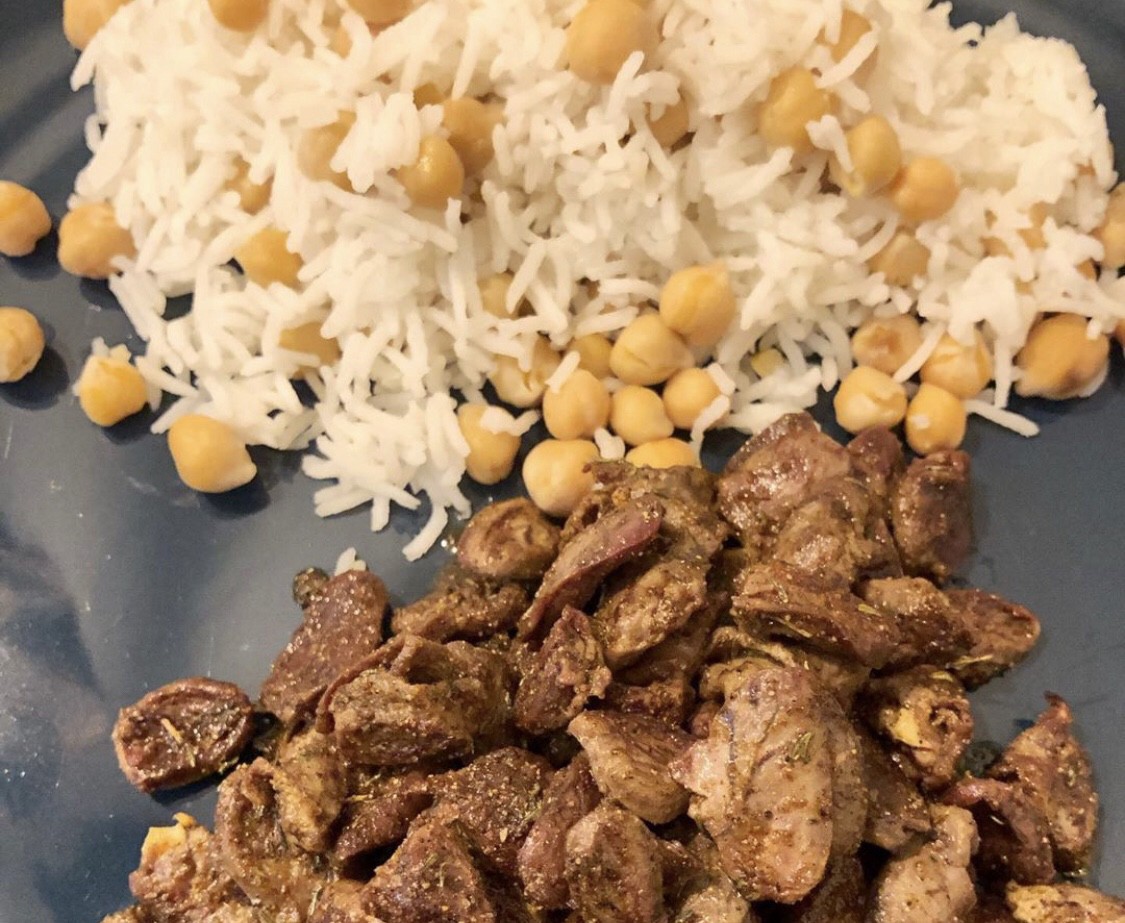
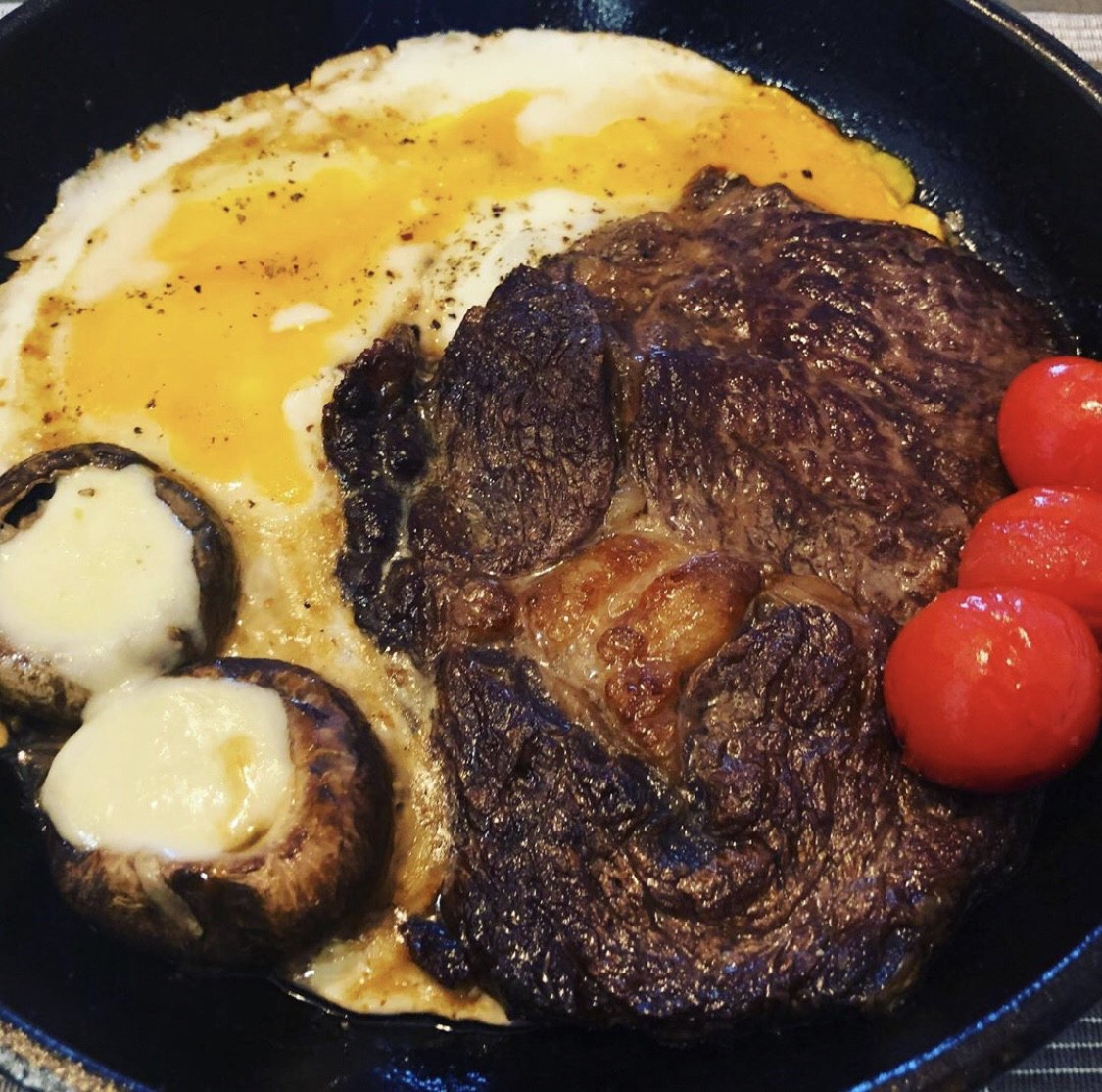
Two rules still stand: be patient, and respect energy balance. To lose fat, create a deficit. To gain weight, create a surplus. Then learn macros and use them intelligently.
Setting a Goal for Quality Nutrition
At that time, I had been cutting for around nine weeks. My main goal was to reduce fat while preserving as much muscle as possible.
I was around 70 kg and aimed for roughly 140 g protein daily. After fixing protein, I used the remaining calories for carbs and fats.
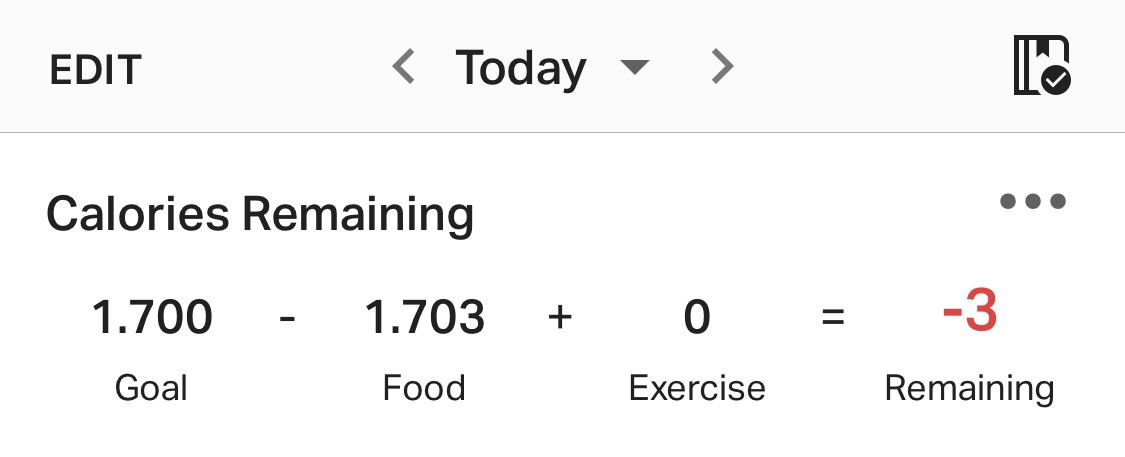
The advice was: decide your goal first, then commit for the long term. If you are skinny-fat (common for desk workers), a good first phase is fat loss with muscle preservation.
Turning Fat into Muscle
The title was intentionally clicky. Fat does not directly become muscle. But especially if you were sedentary for years, you can lose fat while building some muscle at the same time.
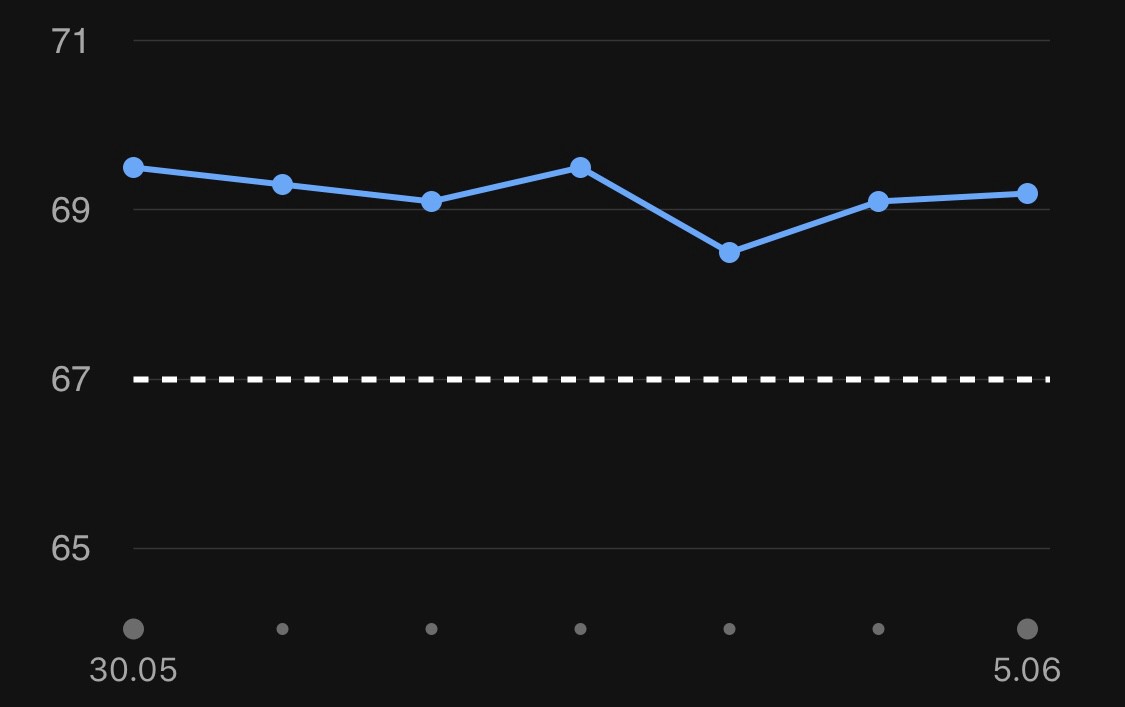
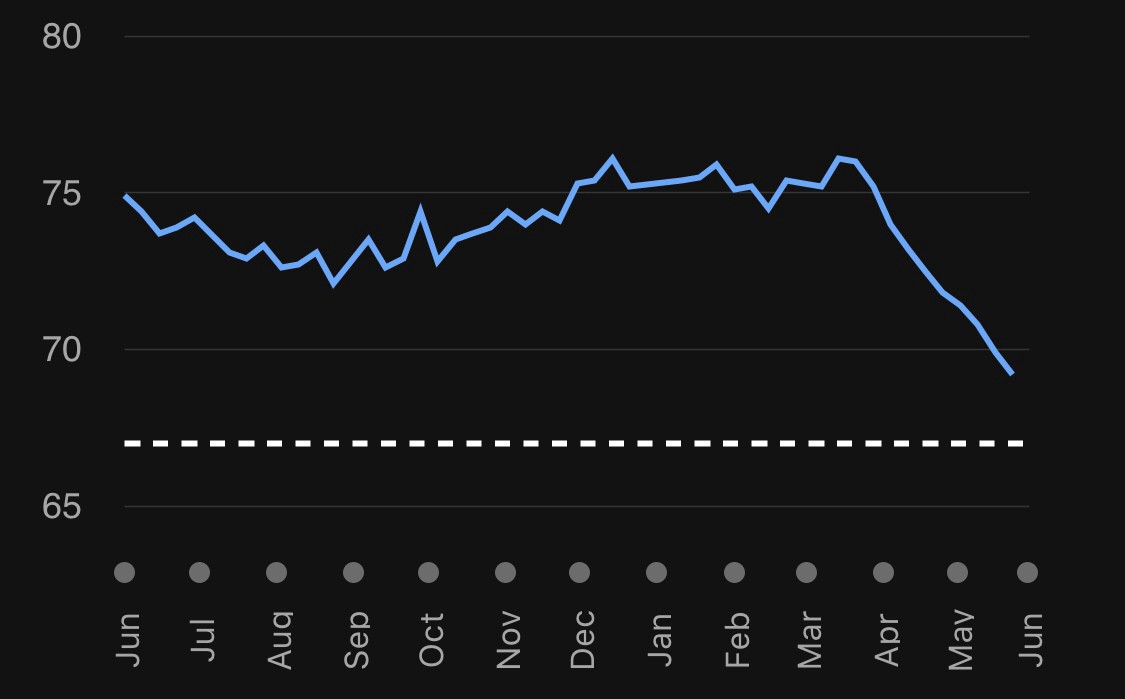
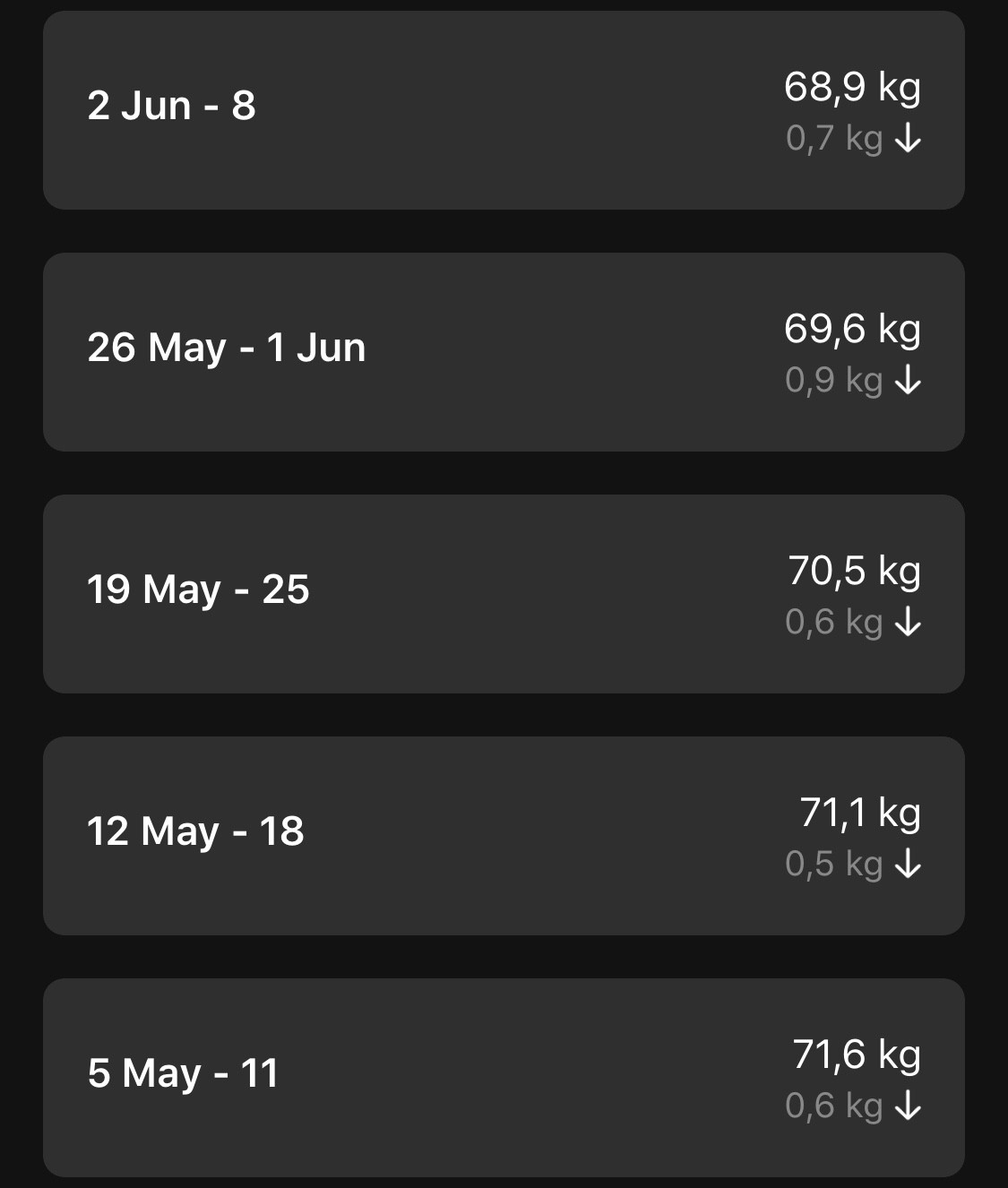
I emphasized tracking: daily scale, waist, and regular logs. You can not adjust what you do not measure.
The Magic Formula for Fat Loss
There is no miracle pill. The only proven method is a calorie deficit.

The practical rule I used: avoid aggressive deficits, and aim for a sustainable weekly rate. If loss is too fast, reduce deficit a little. If too slow, increase deficit a little. Then observe for at least a week before changing again.
Preventing Muscle Loss While Losing Weight
Weight loss is not always fat loss. You can lose water and muscle too.
The practical framework:
- do not run a crazy deficit,
- keep protein high,
- keep measuring waist and trend,
- train with resistance so your body has a reason to keep muscle.
If scale goes down but waist does not improve for too long, something is off.
A Working Iron Shines
Resistance training matters because unused muscle is expensive for the body. During a deficit, if you do not use muscle, your body has little reason to keep it.
I suggested three home-friendly options for busy desk workers:
- bodyweight training,
- resistance bands,
- adjustable dumbbells.
You do not need a perfect gym setup to start.
Can You Lose Weight Without Counting Calories?
Yes. I personally dropped from around 88 kg to 72 kg years ago without tracking apps.
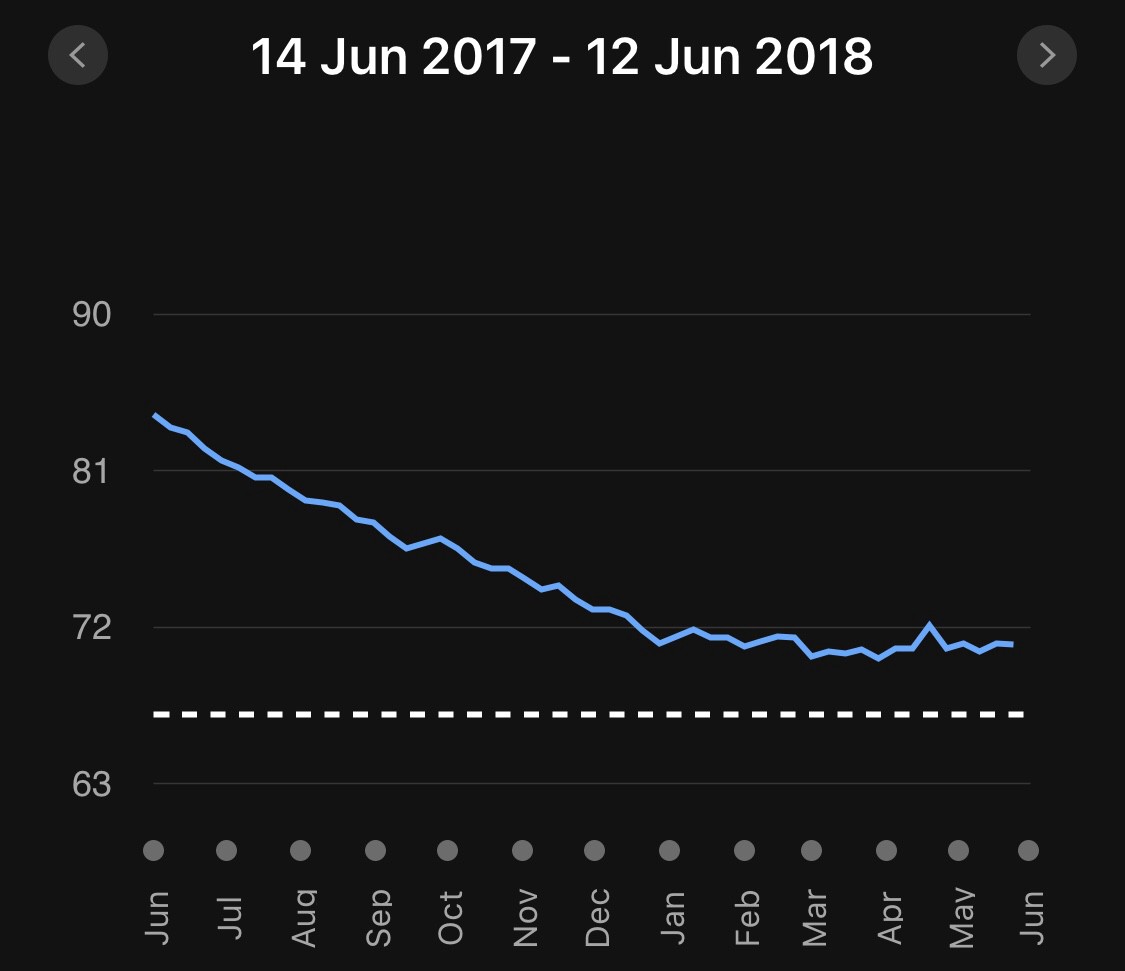
But if your goal is a lean, visibly fit look, tracking becomes much more useful. It creates calorie awareness. Example: one tablespoon of olive oil is around 120 kcal. Small choices add up.
What Is a Macro? Can You Eat It?
Yes, you do.

Macros are carbs, protein, and fat:
- carbs: 4 kcal per gram,
- protein: 4 kcal per gram,
- fat: 9 kcal per gram.
In a cut, I prioritized protein first, then enough fat for health, then used carbs for the remaining calories. I also stressed meal composition: pairing carbs with protein and fat can improve satiety.
Beyond Macros
Macros are only part of the picture. Micronutrients, fiber, hydration, and food quality still matter.
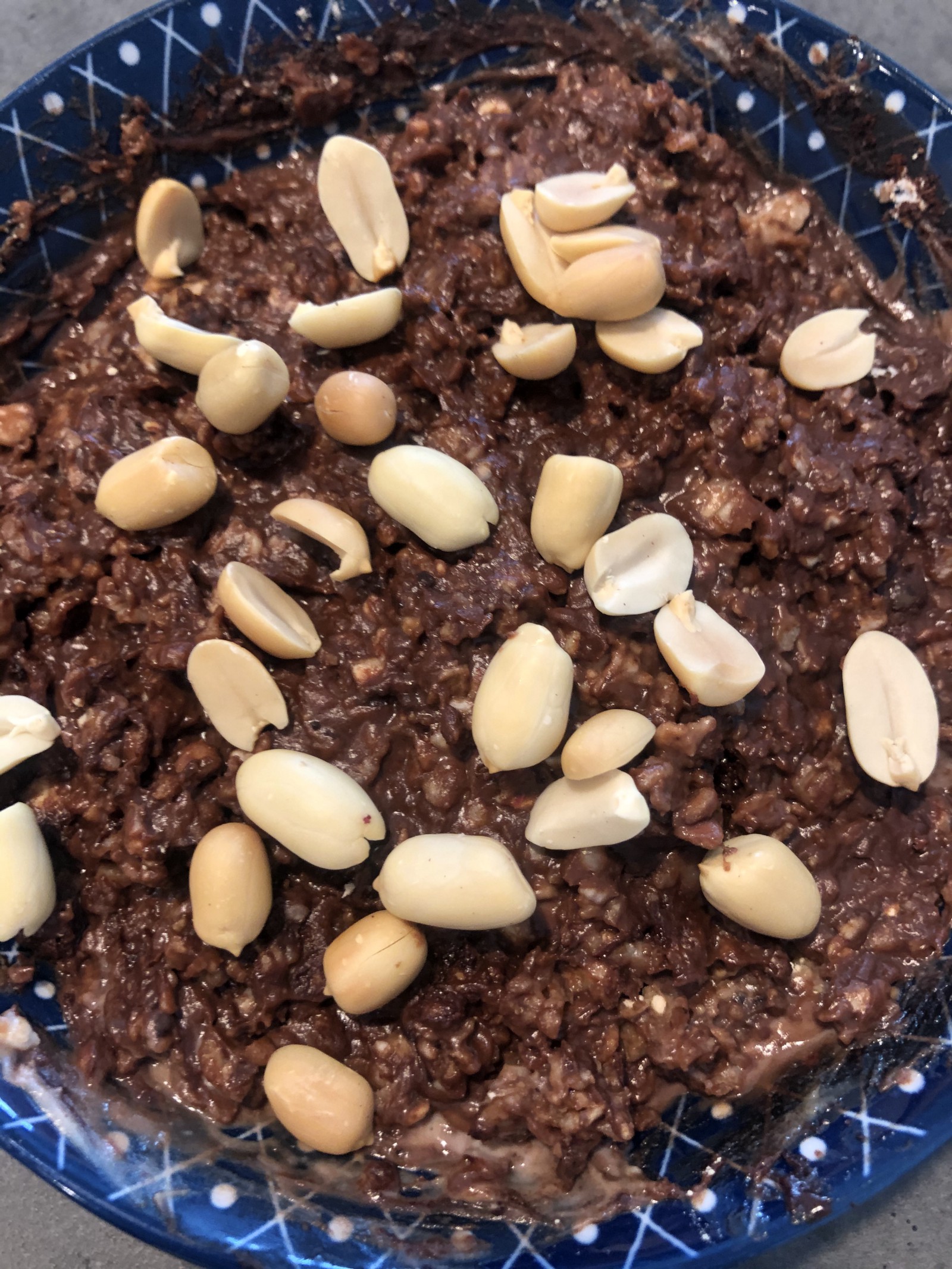
I shared a simple oats recipe and repeated one practical point: vegetables are usually low calorie and high volume, so they help both nutrition and appetite control.
Setting Reachable Goals
Set goals that are hard but realistic.
Comparing yourself to internet fitness influencers is a trap. Genetics differ, training history differs, and social media images are heavily curated (lighting, pump, pose, selection).
The better approach: build habits you can maintain for life, not only for three months.
Can You Lose Weight by Walking?
Yes.
When restrictions eased in Berlin, my daily evening walks increased. That additional activity changed my weekly trend significantly, even with similar calories.
My recommendation then and now: walk 30-60 minutes daily if possible. Add podcasts or audiobooks and make it a repeatable routine.
Becoming the Best Version of Ourselves
If the target is not “look like influencers,” what is the target?
My answer: become your best version.
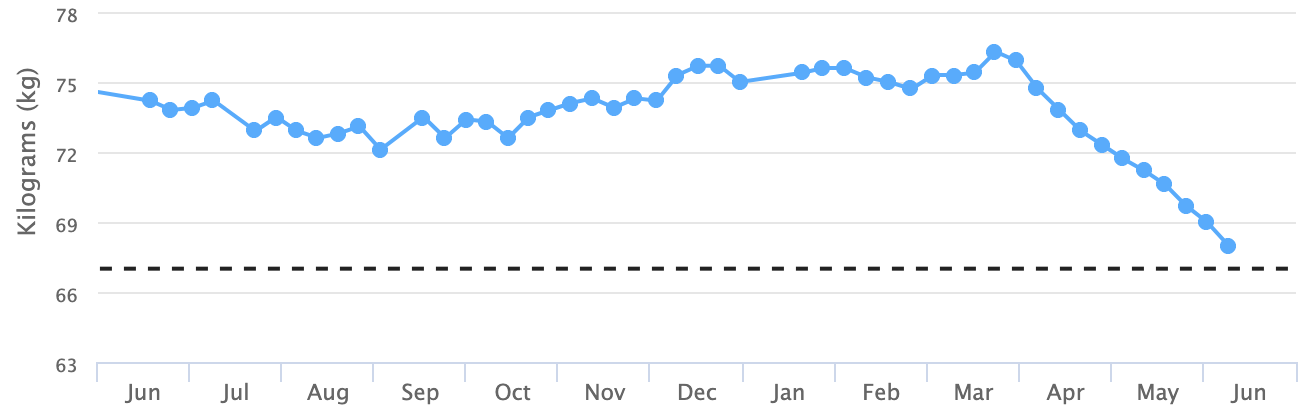
Measure, record, and compare with your previous self. That mindset is both healthier and more sustainable.
Progressive Overloading (Progressive Overload)
The body adapts to repeated stimulus. If training load never changes, adaptation plateaus.

Progressive overload means gradually increasing demand:
- more reps,
- more sets,
- more load,
- better quality under same load.
Increase should be small and consistent.
I Do Not Have Time to Cook
This is one of the most real constraints for professionals.
Eating out can work in theory, but estimating calories and ingredient quality is harder. Home cooking gives control and is usually cheaper.
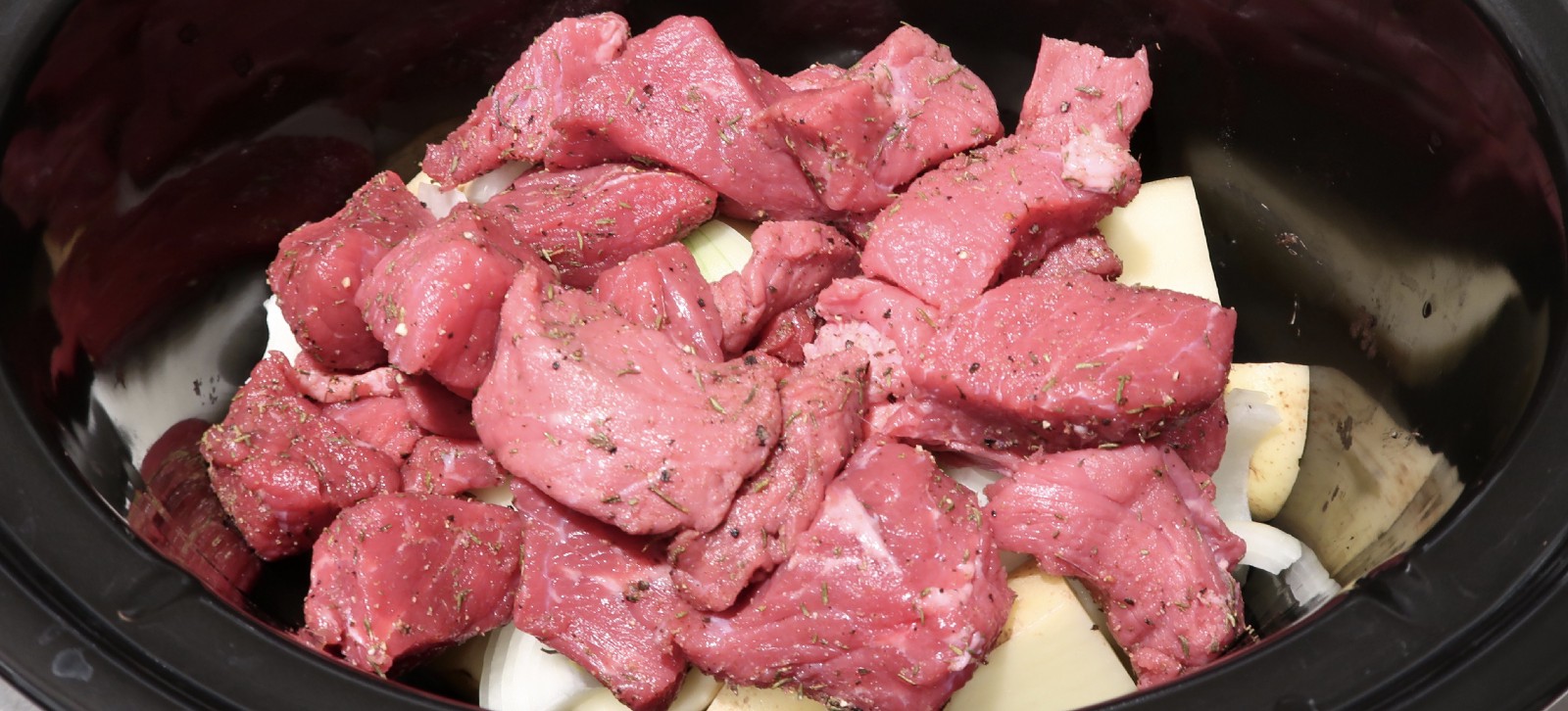
I recommended practical tools like slow cooker, rice cooker, egg cooker, and also weekly prep strategies when needed.
Alcohol and Weight Control
If fat loss is the target, alcohol is not your friend.
Direct impact: significant extra calories.
Indirect impact: poorer decisions, higher late-night appetite, dehydration, worse sleep, lower training quality next day.
I was blunt then and I still am: reduce it hard if body composition is the priority.
Is Cardio Required for Fat Loss?
Not required, but useful.
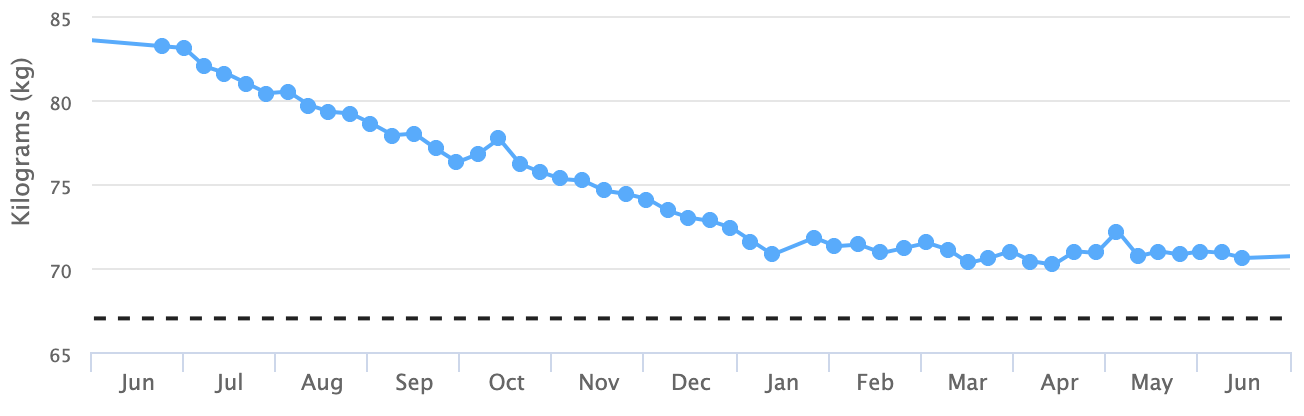
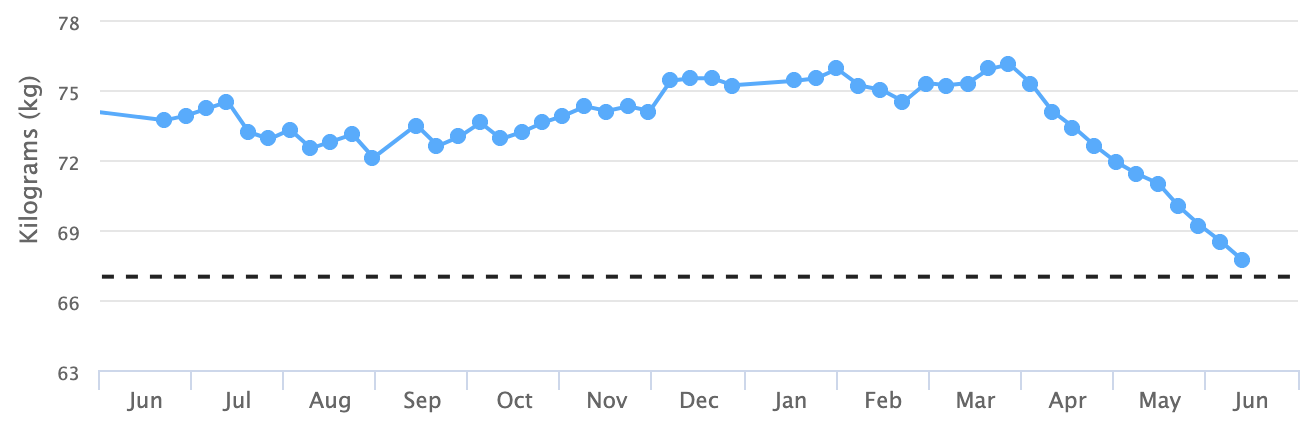
You can create deficit through food, activity, or both. I preferred moderate calorie control plus moderate cardio.
Keeping Motivation High
Long goals need motivation, but motivation is not magic.
For me, three things worked:
- a clear personal reason,
- visible progress from consistent tracking,
- accepting difficulty instead of expecting shortcuts.
I also used simple self-talk during low periods. It sounds cheesy, but it worked.
Not Fat, Water Retention
Scale weight alone can mislead.
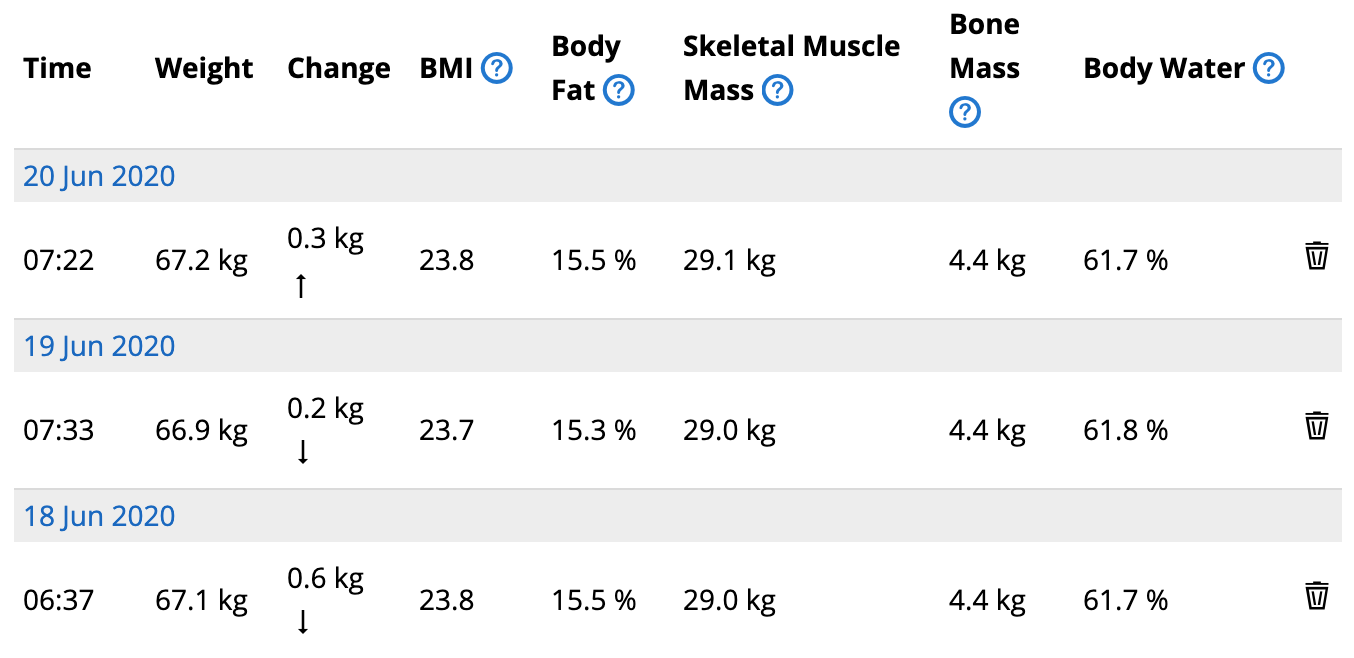
BMI has limits, especially for trained people, because it cannot distinguish muscle from fat. In the original note, I suggested a simple low-cost approach: use online body-fat calculators as a rough estimate, then track your waist consistently. Measure waist from the navel line, with your belly relaxed (not sucked in), at the same time each day or week. Pair that with weekly average body weight, not random daily spikes.
I Always Feel Hungry
Hunger is one of the hardest parts of a deficit, especially for people doing cognitive work.
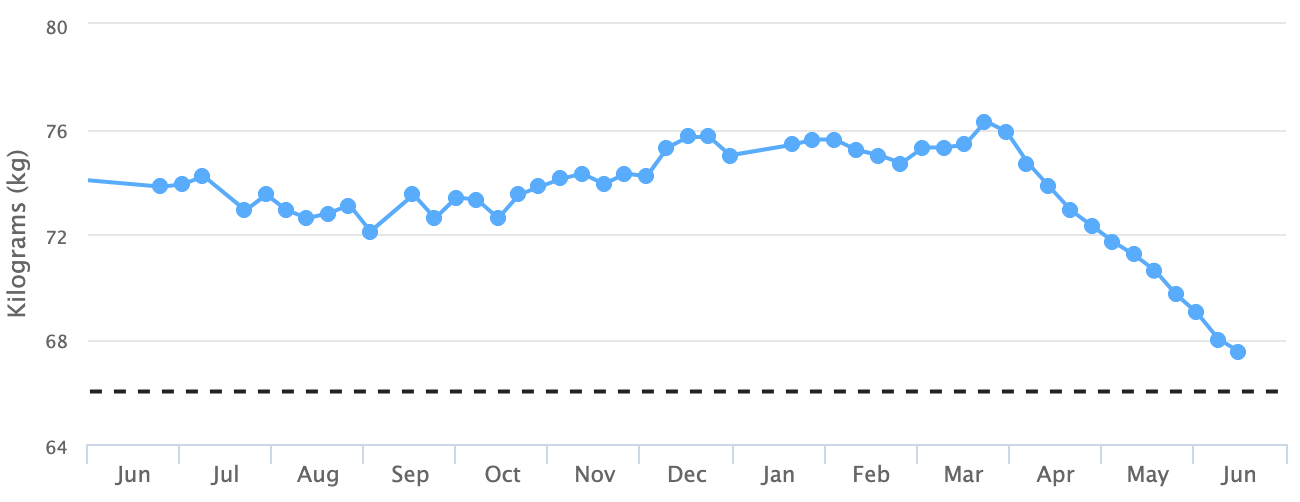
My practical anti-hunger stack:
- avoid extreme deficits,
- use coffee strategically,
- drink enough water,
- eat high-volume vegetables,
- distribute protein through meals,
- include fiber-rich foods.
Why Stretching Matters
Stretching helps everyone, but for desk workers it can be a lifesaver.
Ergonomic equipment helps, but often is not enough on its own. If posture is poor and tissue is tight, you need both strengthening and mobility work.
I recommended short daily routines for neck/shoulders/chest and regular post-training stretching.
Posture Disorders
Posture issues are common in desk jobs and can affect both confidence and pain levels.
I highlighted common patterns:
- rounded shoulders from tight chest + weak upper back,
- anterior pelvic tilt (lordosis),
- right-left asymmetries from dominant-side overuse.
Solutions included pull-focused work, unilateral exercises, and targeted mobility.
How Large Should the Calorie Deficit Be?
Start practical, not aggressive.
I recommended:
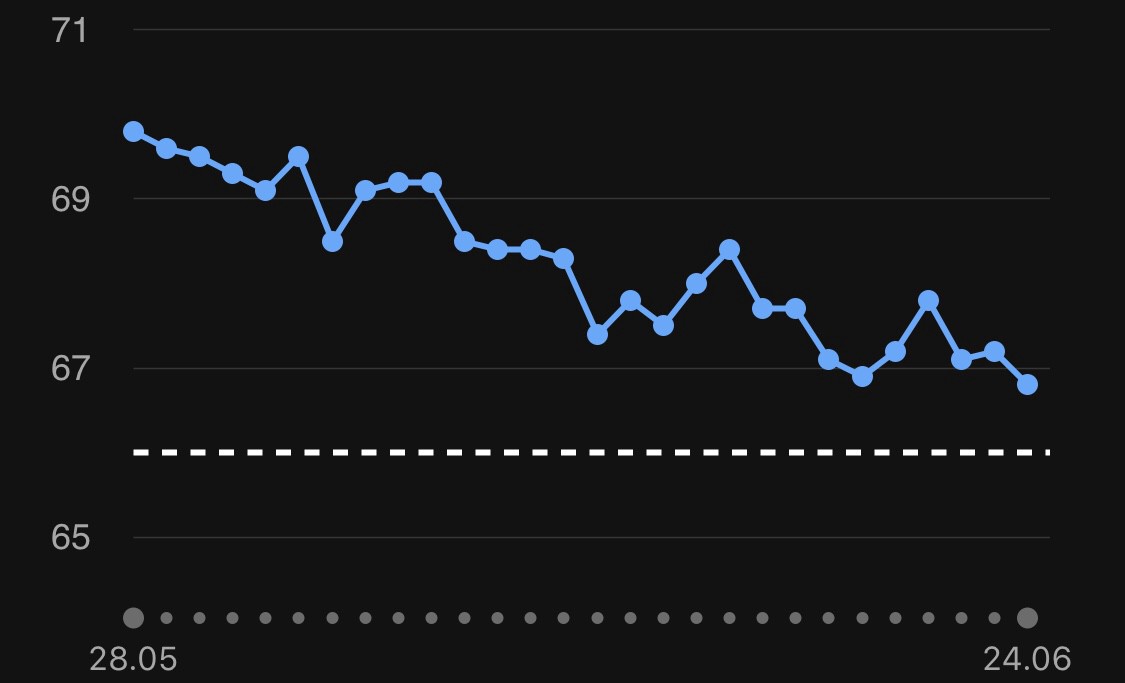
- measure daily, evaluate weekly average,
- start with around 10% reduction,
- adjust gradually based on weekly trend,
- combine with manageable activity.
Small calibration beats dramatic swings.
High-Protein Food Sources
In a cut, protein targets can feel hard. Food selection makes it much easier.
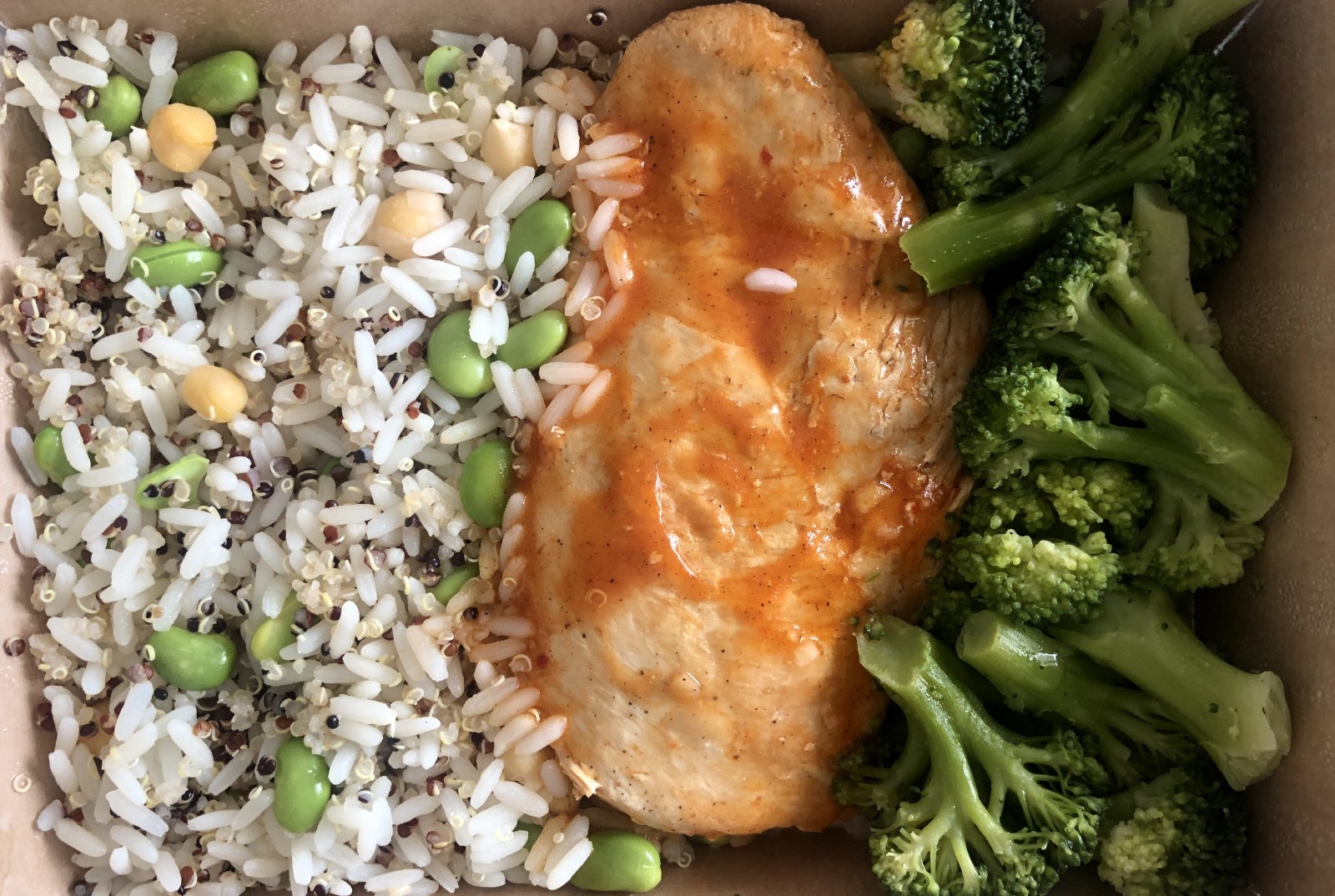
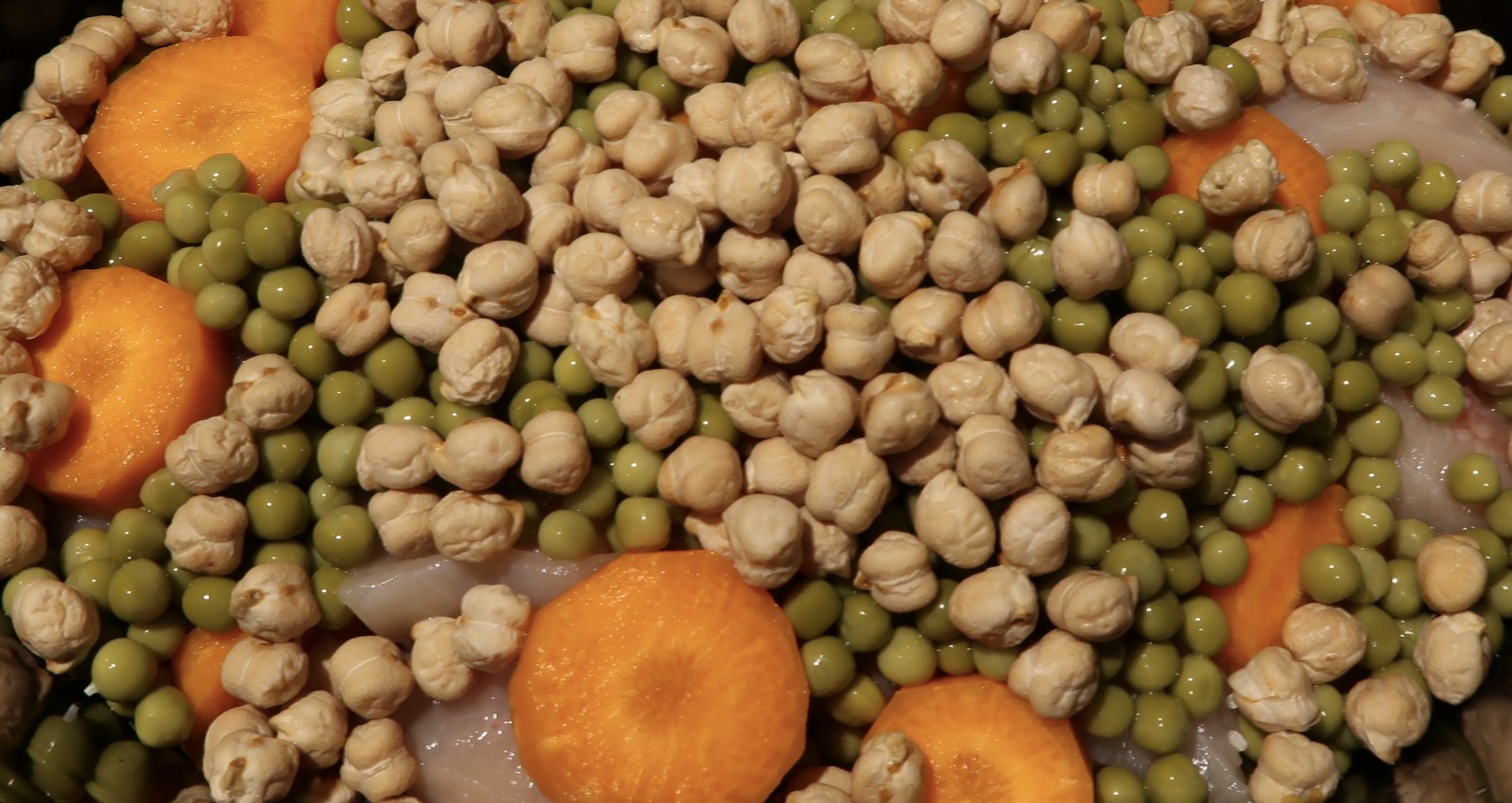
I covered practical options: eggs, chicken breast, legumes (lentils, chickpeas, beans, black-eyed peas), tuna, and careful use of nuts due to calorie density.
Ideal Rate of Weight Loss
I had previously generalized too hard and then corrected it.
Early in a cut, especially with high starting body fat, fast drops can come from water loss. Do not panic-adjust too early. Give your trend time to stabilize, then tune calories carefully.
Should We Take Supplements?
The supplement market is noisy and often misleading.
My practical stance from that final note:
- vitamins: test first, then supplement with guidance,
- omega-3: useful if fish intake is low,
- fat burners: avoid the scam,
- protein powder: convenience tool, not magic,
- creatine: often useful, but not mandatory for everyone.
The 25-day balcony run ended with this same conclusion: no shortcuts, no miracle products. Patient consistency wins.